
A misplaced label is enough to delay a package by several days, while a simple postal code omission can lead to unexpected additional costs. In France, nearly 8% of shipments experience damage or delays due to poor preparation.
Some online shopping platforms now impose strict standards on packaging and tracking, under threat of removing sellers’ visibility. Compliance rules are constantly evolving, forcing individuals and professionals to adapt to ensure delivery and limit disputes.
Read also : Discover how to boost your business with tailored professional services
Understanding the journey of a package: key steps often overlooked
Behind every delivered package, there is a discreet yet rigorous mechanism. From the moment the label is printed, logistics kick in: preparation in the warehouse, grouping on the docks, sorting according to the planned transport, and then handing over to the carrier. At each step, the slightest inaccuracy, incomplete address, or error in size or weight can disrupt the process.
In the heart of the warehouses, stock management and shipment preparation are handled with sophisticated tools, including WMS. Teams assign orders to carriers, move goods using pallet jacks or forklifts, and check packages before departure. Everything relies on precise synchronization. In France, the variety of delivery modes—standard, express, relay—adds a layer of complexity, with each option having its own requirements to meet.
You may also like : How to Boost Your Professional Network Through Online Business Clubs
The truck’s journey to the dock and then on the road illustrates the reality of current messaging: speed must align with reliability. Digital tools, like MyTNT, now offer precise tracking of shipments and streamline each step. Mastering this journey means being able to anticipate unforeseen events, choose the right carrier, and ensure that the package arrives safely without issues.
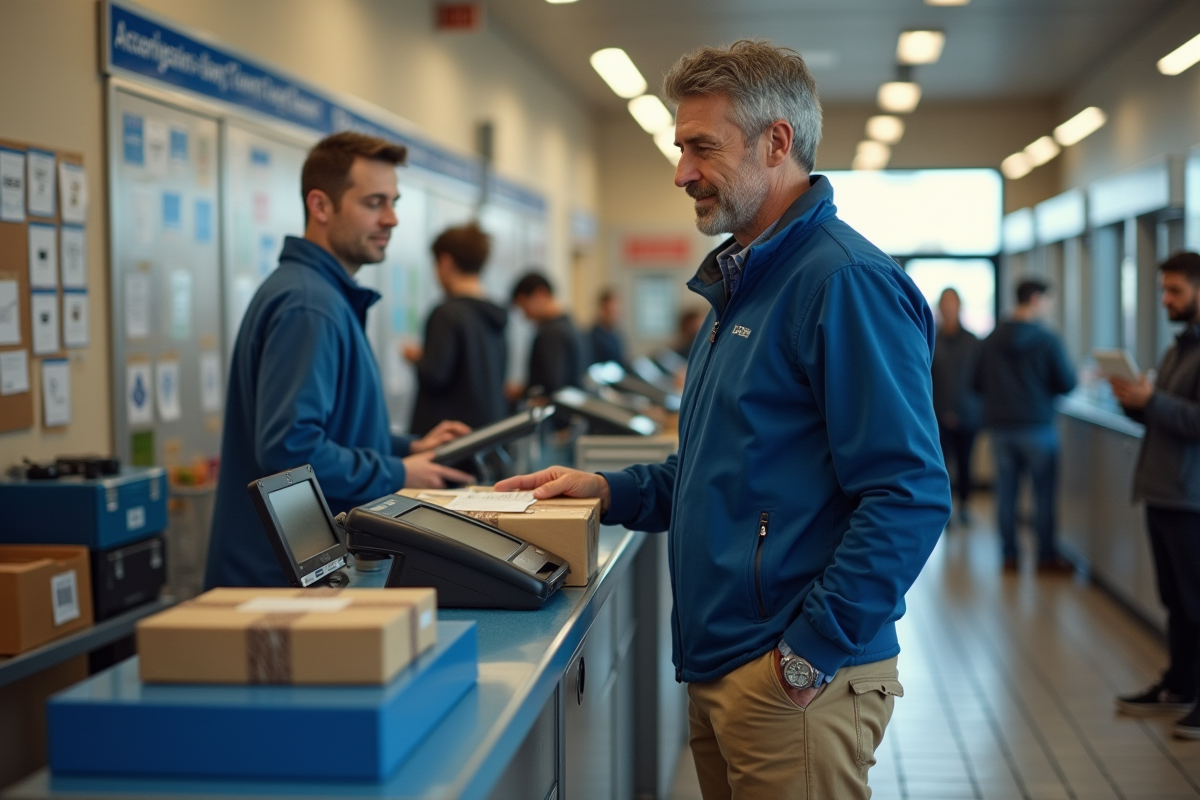
What levers to pull to ship packages smoothly and optimize personal logistics?
To send a package without hassle and boost organization, several levers complement each other. First, analyzing data from previous shipments provides a concrete view: frequencies, timelines, causes of delays or errors. This feedback refines the method and helps avoid repeating the same pitfalls.
Another aspect not to underestimate is negotiating rates with carriers. Even with modest volumes, it is possible to improve conditions and reduce costs over time. The adoption of suitable technological tools also plays a crucial role: automating label printing, tracking packages in real-time, centralizing proof of delivery—these actions all streamline the process.
Here are some concrete points to integrate for better shipping:
- Optimize packaging: choose standard sizes and adjust dimensions or weight to avoid any additional charges.
- Plan shipments considering the announced timelines so that the customer receives their package on time.
- Ensure document compliance, especially VAT and required mentions, particularly for shipments outside the territory.
The choice of shipping mode—express, economical, relay—has a direct impact on margins and how the service is perceived. To improve shipping, it is also essential to pay attention to recipient feedback: these sometimes subtle responses highlight what is wrong and guide future adjustments. By focusing on observation and adaptation, your personal logistics gains in reliability and agility. Nothing then prevents your packages from reaching their destination, without detours or unpleasant surprises.