Canceling an electricity contract too early, before the inventory, risks turning a formality into a real headache. Without electrical power, it’s difficult, if not impossible, to check the actual condition of the property during this final visit.
Some landlords impose it: the electricity must remain connected until the keys are handed over. Others are more flexible. However, between local customs, lease clauses, and supplier instructions, confusion persists. When to cancel, how to avoid pitfalls? These are all points to clarify for a stress-free move.
Recommended read : Essential Tips for Better Investing and Succeeding in the Financial World
Inventory: why does the question of the EDF meter create so much confusion?
It’s impossible to brush aside the issue of electricity as a mere logistical detail: if the electricity is missing during the inventory, it’s impossible to test the equipment, check the lighting, or even detect a malfunction at the right time. The debate inevitably arises, as it turns an administrative process into a gray area that could fuel potential disputes, sometimes lengthy to resolve.
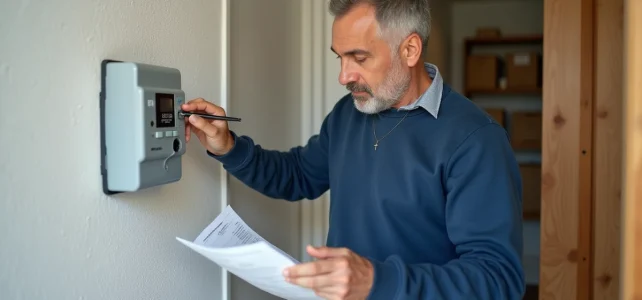
Between the landlord’s expectations, rules imposed by the lease, or agency habits, everyone has their version. However, cutting off the power before the final closure deprives one of objective means to read the meters in front of a witness or to demonstrate that everything is functioning. Some want to avoid any risk and then wonder if it is really necessary to cut off the EDF meter before the inventory. In practice, keeping the electricity on until the last moment simplifies things: checking the appliances becomes possible, the meter reading is taken in the presence of both parties, with a photo if necessary. If the meters are communal, visual proof or a shared signature helps prevent any misunderstanding regarding consumption or the condition of a faulty heater.
See also : Tips and Tricks for Successfully Organizing the Perfect Wedding and Reception
Cutting off electricity before the inventory: what do the texts say?
No text requires suspending your EDF subscription before conducting the inventory. On the contrary: keeping the power on until the keys are returned remains the most reliable method to enable all necessary checks and ensure total transparency with the landlord or agency.
To avoid any misinterpretation, a few simple steps should be taken before departure:
- Contact your energy supplier to set a contract deactivation date that aligns with the visit schedule.
- Keep the electricity running until the keys change hands. Ending the contract too early complicates on-site checks and risks prolonging the process for the next tenant, between service reconnection and additional administrative steps.
Thus, the transmission of the meter reading is indisputable on the day of the appointment. Everyone leaves with a record: photo, written exchange, or simple validation on-site. It’s impossible to contest the billed consumption or the condition of the installations; the proof is there, shared.

Moving: ensuring continuity, avoiding mishaps
Nothing prevents complications better than meticulous coordination with your supplier. Confirm in writing the cut-off date, keep proof of exchanges: messages, emails, photos of the meter. If, one day or another, the issue of the security deposit refund becomes a source of dispute, these elements make all the difference.
On-site, taking the meter reading in the landlord’s presence is worth more than words: the dated photo eliminates any ambiguity. For the incoming tenant, the transition occurs smoothly as long as they sign a new electricity contract in advance; no cut-off, no surprises on the bill, no gray areas upon arrival.
As for properties in co-ownership with shared meters, nothing replaces the presence of the landlord or a representative of the managing agent during the reading: the figures are authenticated, and the management of charges is eased.
Keeping the lights on until the end guarantees a clear and transparent handover. One leaves the premises with a sense of duty fulfilled, without fearing that a burnt-out bulb or a last-minute dispute will spoil the exit.